Staff Wellbeing
The wellbeing of staff matters.
It matters because staff are human beings.
It matters because the wellbeing of other people rely on healthy staff.
For decades staff wellbeing has been governed by a framework that focuses on duty of care, safety, and non-discrimination.
This was not everyone’s experience and my Staff Support Timeline shows the historical shifts I've experienced whilst working in staff support since the 1990's.
Staff Support Timeline
I have listened to many staff who felt unsupported, and sometimes intimidated, whilst operating inside ‘impossible’ systems.
NOW we are in a period of transition. Staff support is being more fully recognised as essential. Organisations' Employee Resource Groups, Employee Assistance, Peer Mentoring, Supportive Supervision etc have been around for a long while, but have not always met people's needs. The recent NHS Staff Standards are part of this culture shift.
In July 2026, the NHS Staff Standards set national minimum employment requirements to improve staff experience, outlining employer actions and what staff can expect.
I’m excited about the wealth of resources, frameworks and materials available to help people feel at their best.
People operating inside traditionally rigid, slow-changing systems, describe witnessing inconsistent changes. This can feel unsettling as health and social care managers, leaders and staff are learning what the standards really mean in practice. So, hold on to your glimmer of hope.
Shifts in Staff Support Timeline
Video extract from 'A Reflective Pause' programme for staff
“You are not crazy if you have ever been kept awake at night by a combination of workforce shortages, team concerns, role uncertainty, safety issues, and interrelated matters. The challenges are real. But there is hope!” K Marshall 2025
(A Leader’s Guide For Impossible Systems: Restoring Agency, Compassion, and Possibility)
The Shift
For many individuals, workplace stress had long been framed as a personal shortcoming - something to manage better, cope with more effectively, or to withstand more robustly. This led to a ‘coping culture’ which was never a sustainable model.
Even in 2025, my surveys across different care settings showed:
- Self-blame for emotional exhaustion was common.
- Doubt about one’s capability was widespread.
- The thought of leaving a loved profession was increasing.
In 2026 there is far more hope!
Recent conversations show increasing clarity about what belongs where. People are more able to articulate what they have been experiencing for a very long time:
- The conditions themselves are extraordinarily demanding.
- It is not irrational to feel the strain in a difficult system.
- It is not failure to feel overwhelmed by the competing, often incompatible demands.
- The system needs to change.
"Staff can expect their organisation to protect their health, safety and wellbeing at work. Employers are responsible for supporting staff wellbeing, preventing ill-health associated with work and helping staff to feel safe, cared for and able to perform well. "
July 2026 NHS Staff Standards
Return to Staff ProgrammesSustainable Care:
My work focuses on sustainable care so staff feel empowered to be their authentic and human best.
I help staff clarify what they are truly responsible for and to realise their inherent power, which synergistically and positively influences environmental changes.
I use The Four Five Formula® as an underpinning framework through my programmes for individual and group support systems.
Repeatedly, feedback has expressed a sense of transformative understanding and clarity, that leads to greater wellbeing.
Practical applications include refreshed staff supervision models, team check-ins, creative expression, micro-resets and compassion that replenishes.
The Four Five Formula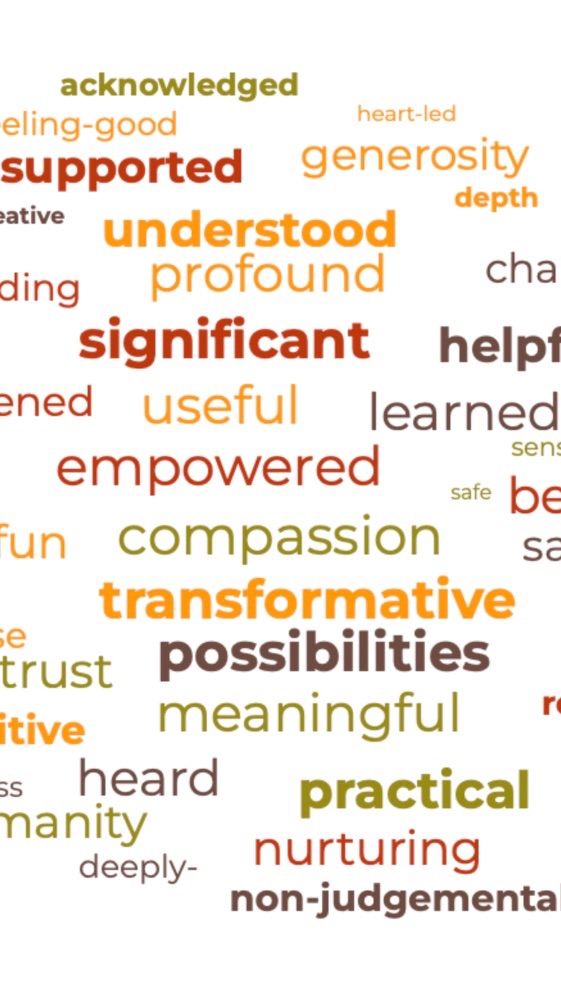
My Staff Support Journey
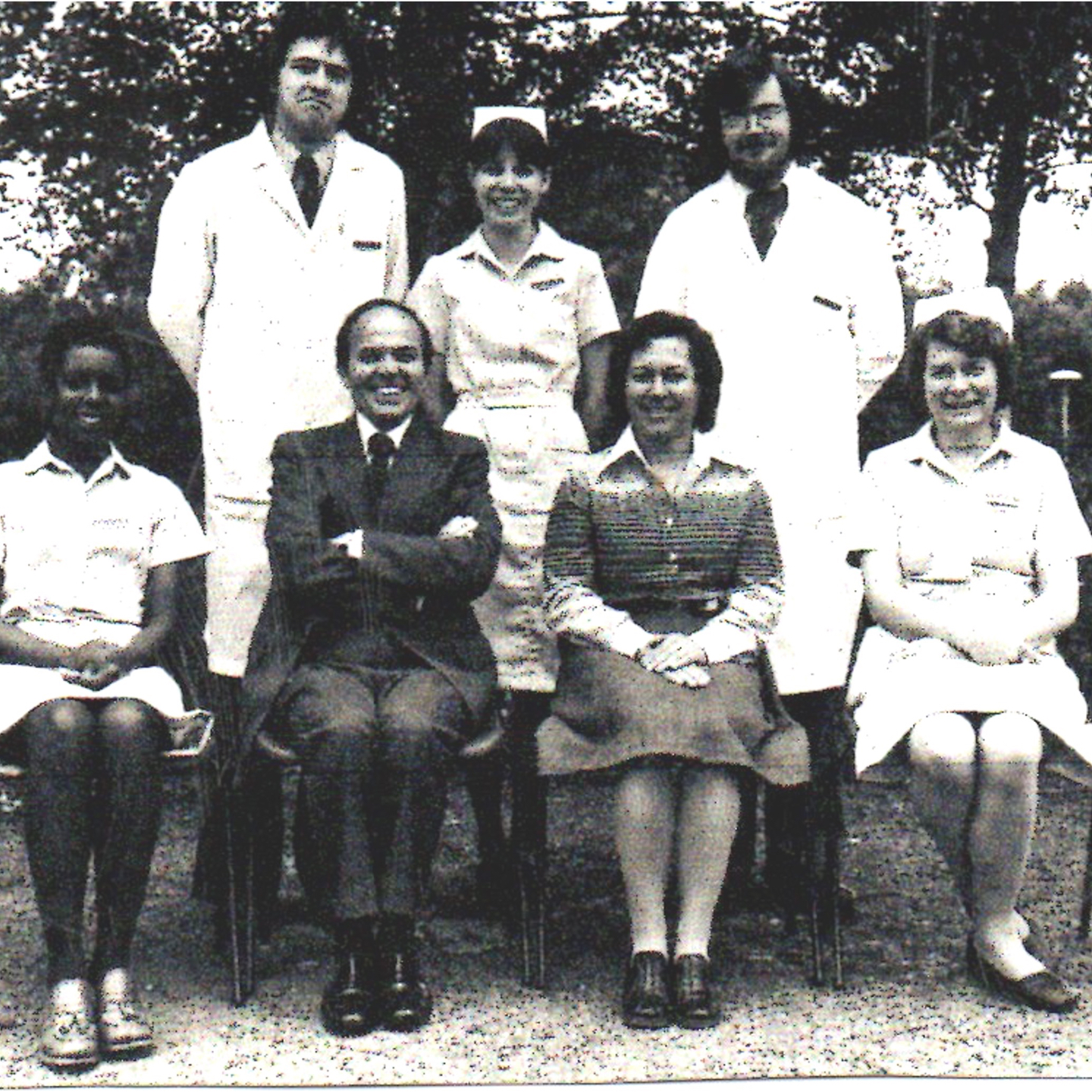
I first became formally involved in staff support in the 1990’s (although the ideas had been planted long before). Workplace stress was beginning to be recognised in UK legislation as a significant health risk. The Health and Safety Executive produced guidance to raise awareness. At the time, I was delivering staff programmes and sitting in discussions with senior leaders who genuinely cared about staff wellbeing.
There was real recognition that staff are the system’s greatest asset. And yet, I noticed something.
Support was often introduced during periods of significant organisational change, when pressure was high and disruption was likely. Once the immediate period of change passed, that support was often significantly reduced.
This was not due to bad intent, but from a lack of recognition that the nature of health and social work often has ongoing stressful impacts, intensified by complex systems.
My work enabled people to be heard and validated. Leaders introduced regular check-in sessions, more supportive supervision including co-supervision, and creative ways to release tensions, clarify next steps and take action that aligned with people's core care values.
I’ve tracked changes in staff support in health and social care over several decades and have developed the following:
- Early Stress Management programmes
- Organisational wellbeing surveys
- Effective Management of Care Services (developing the Professional Development Award programmes for registered care service managers)
- Teaching supportive supervision models to leaders
- Facilitating individual and team sessions
- Moving into sessions that focused on post traumatic growth
- Now online programmes, books and webinars that use The Four Five Formula® for sustainable care and compassion that replenishes.